We plan backwards from the day you need it
Most forwarders start with a sailing schedule. We start with your in-plant date and work back to when the supplier needs to have cartons on the dock. Here's what happens in between.
Start from your need date
You share open POs with us through the portal, EDI or a plain spreadsheet. For each one, your planner works out the latest cargo-ready date that still makes your in-plant date, with a buffer for your risk tolerance.
If a supplier's promised date doesn't work, you'll know now, not when the container is late.

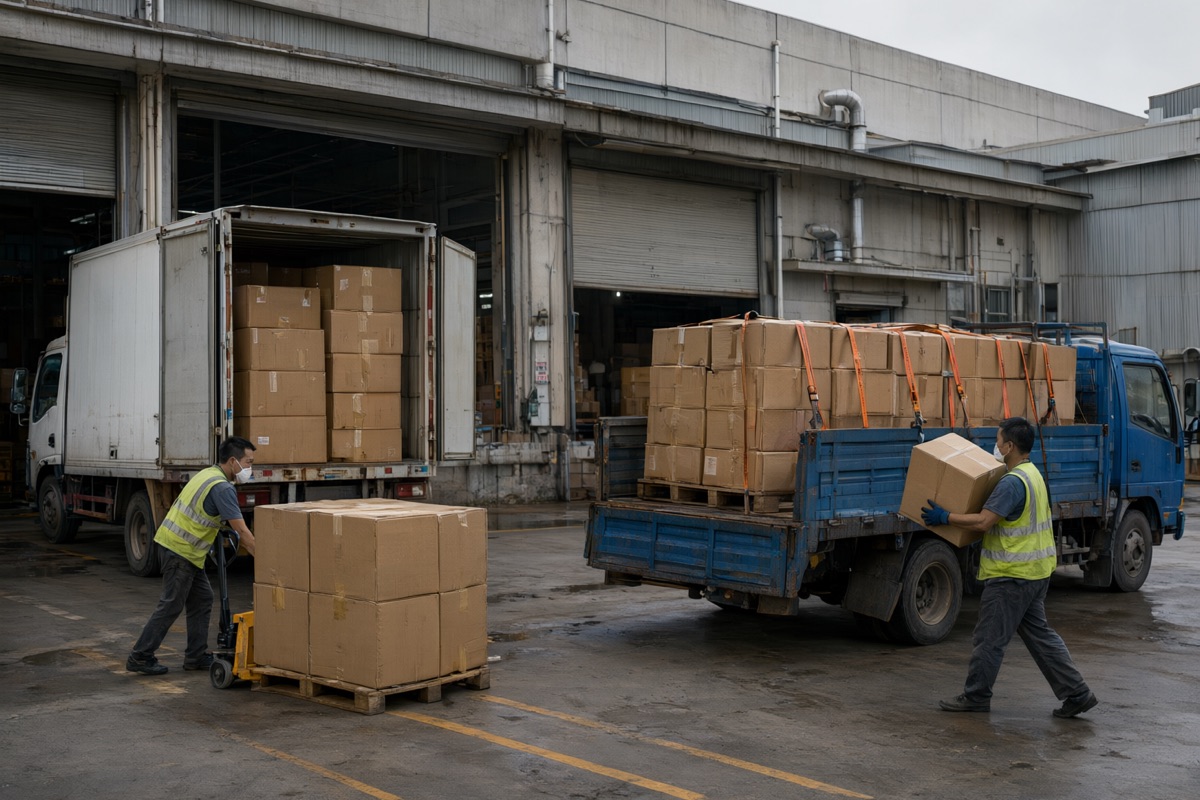
Pick up and check at origin
Our Shenzhen, Ningbo and Shanghai teams book the trucks, chase suppliers who are running late, and inspect what shows up: carton counts, labels, marks, and damage. You get photos and a receiving report within 24 hours.
Short shipments get flagged the same day, while there's still time to do something about them.
Consolidate, load and sail
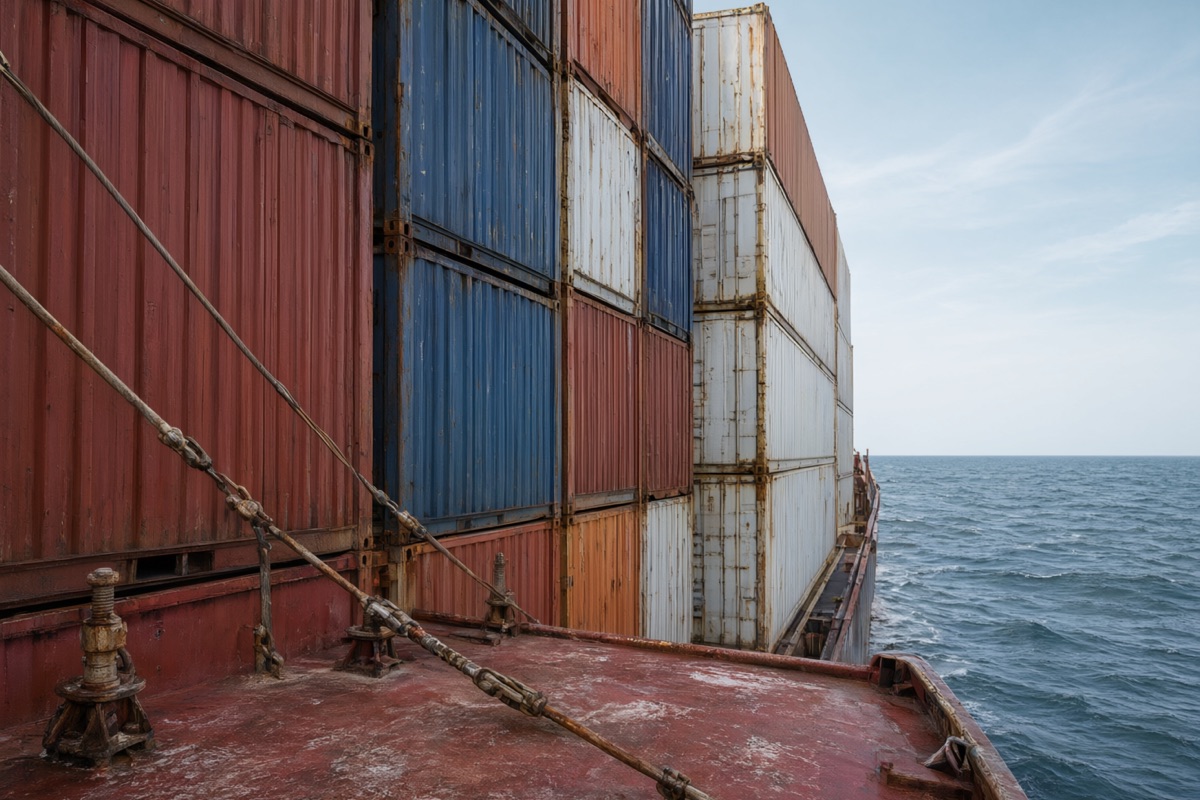
Freight from different suppliers is combined into full containers, kitted if you've asked for it, and loaded to a plan so the right parts come out first. Containers go on our contracted space with one of four carriers.
While it's at sea, you can see the vessel position and any schedule changes in the portal. We'll call if something slips more than two days.
Customs done before arrival
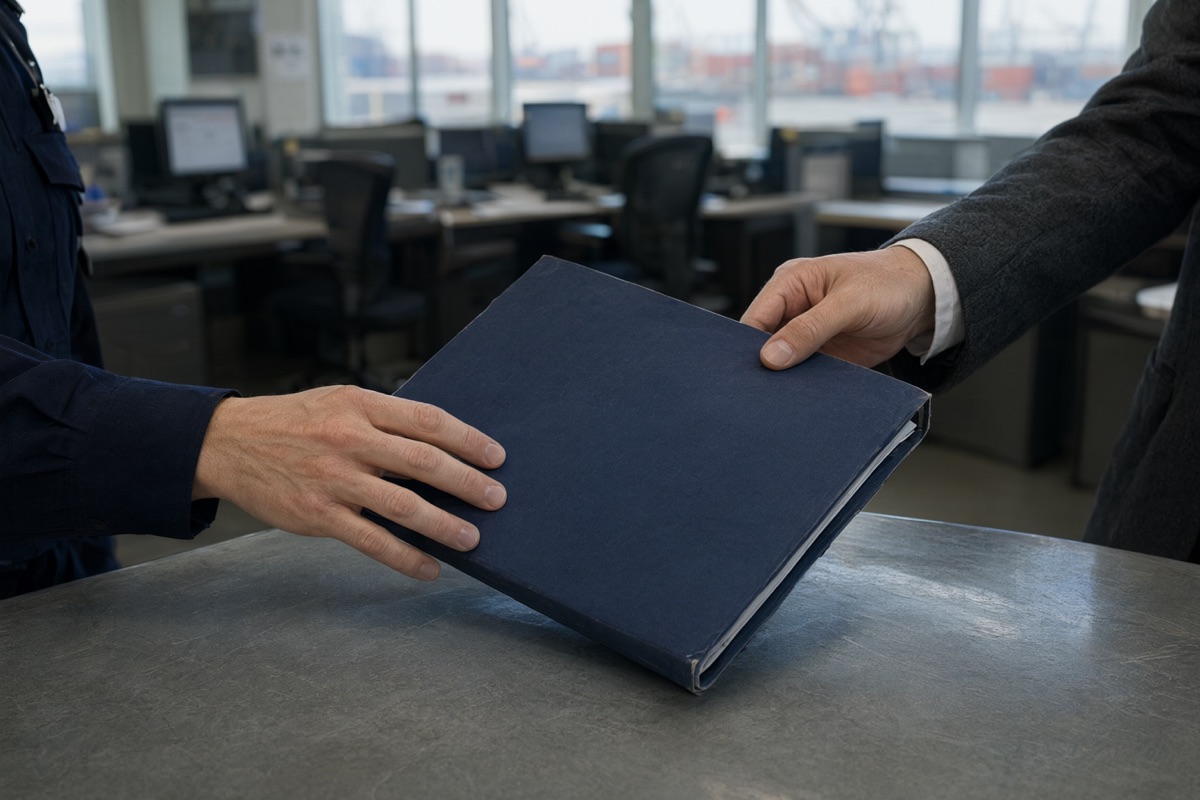
Our licensed brokers file the ISF before loading and pre-file the entry while the ship is at sea. In the last 12 months, 94% of our entries were released before the container was even discharged.
Duty goes on one monthly statement, and you get a landed-cost report per shipment.
Delivered to your dock schedule
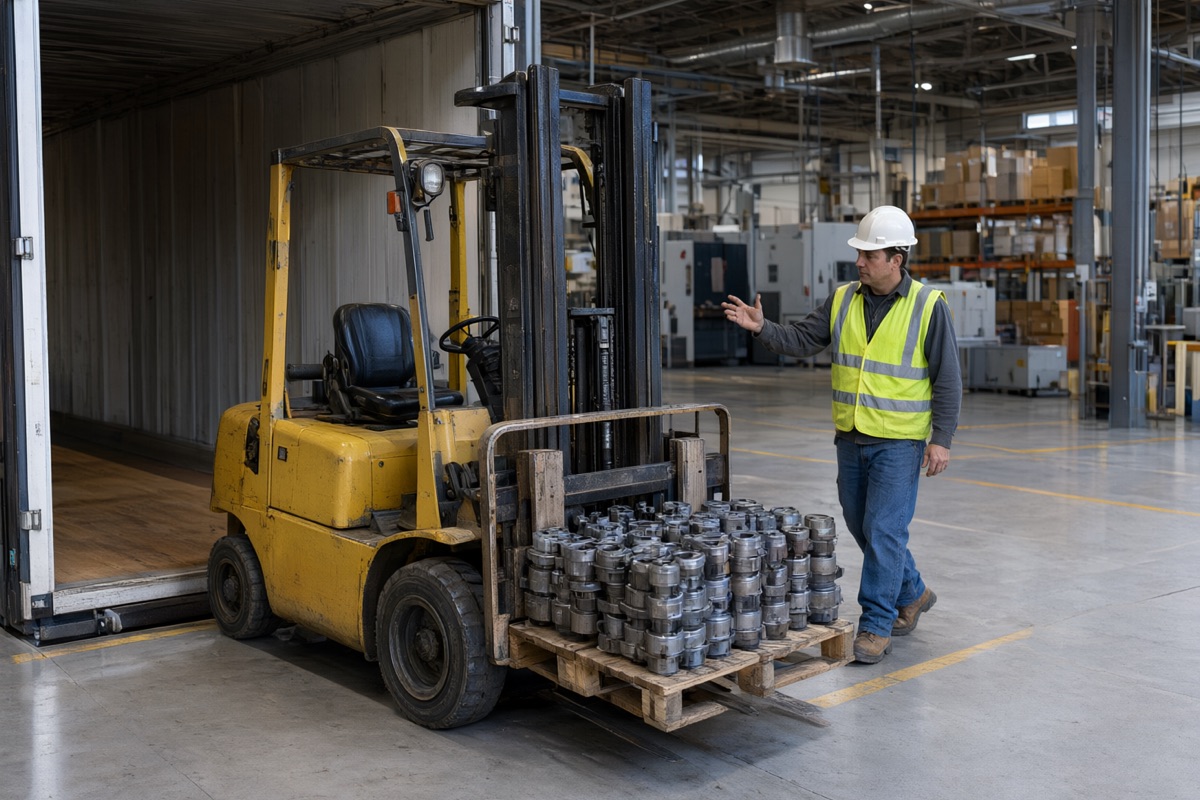
We book the drayage or rail, schedule a delivery appointment that fits your receiving hours, and send a proof of delivery with photos. If your plant can't take a full container, we transload at our warehouse and deliver in smaller drops.
Then we do it again next week, a little better.
Your first 30 days
Switching forwarders sounds painful. Most clients are shipping with us within two weeks, and we usually start with a single lane so you can judge us on real freight.
Discovery
A call with your planning, purchasing and receiving teams. We map your suppliers, lanes, volumes and dock rules.
Setup
Customs power of attorney, bond, supplier introductions from our origin teams, portal logins and data feeds.
First bookings
First pickups on the pilot lane. Daily check-ins until the first container is on the water.
Review & expand
We review the pilot together, agree on what to fix, and plan which lanes move over next.
Everything in one place, including the paperwork
The Fiskers portal shows every PO, booking, container and entry in one list, with documents attached. It's not fancy, but it's fast and it's accurate, because our own team works out of the same system.
- Search by PO, SKU, container, HBL or entry number
- Download commercial invoices, entries and PODs
- Weekly exception report by email
- EDI and REST API for your ERP or TMS
Have a production schedule we should see?
Send us your PO dates and lane details. A planner (not a bot) will come back with routing options and a rate within one business day.