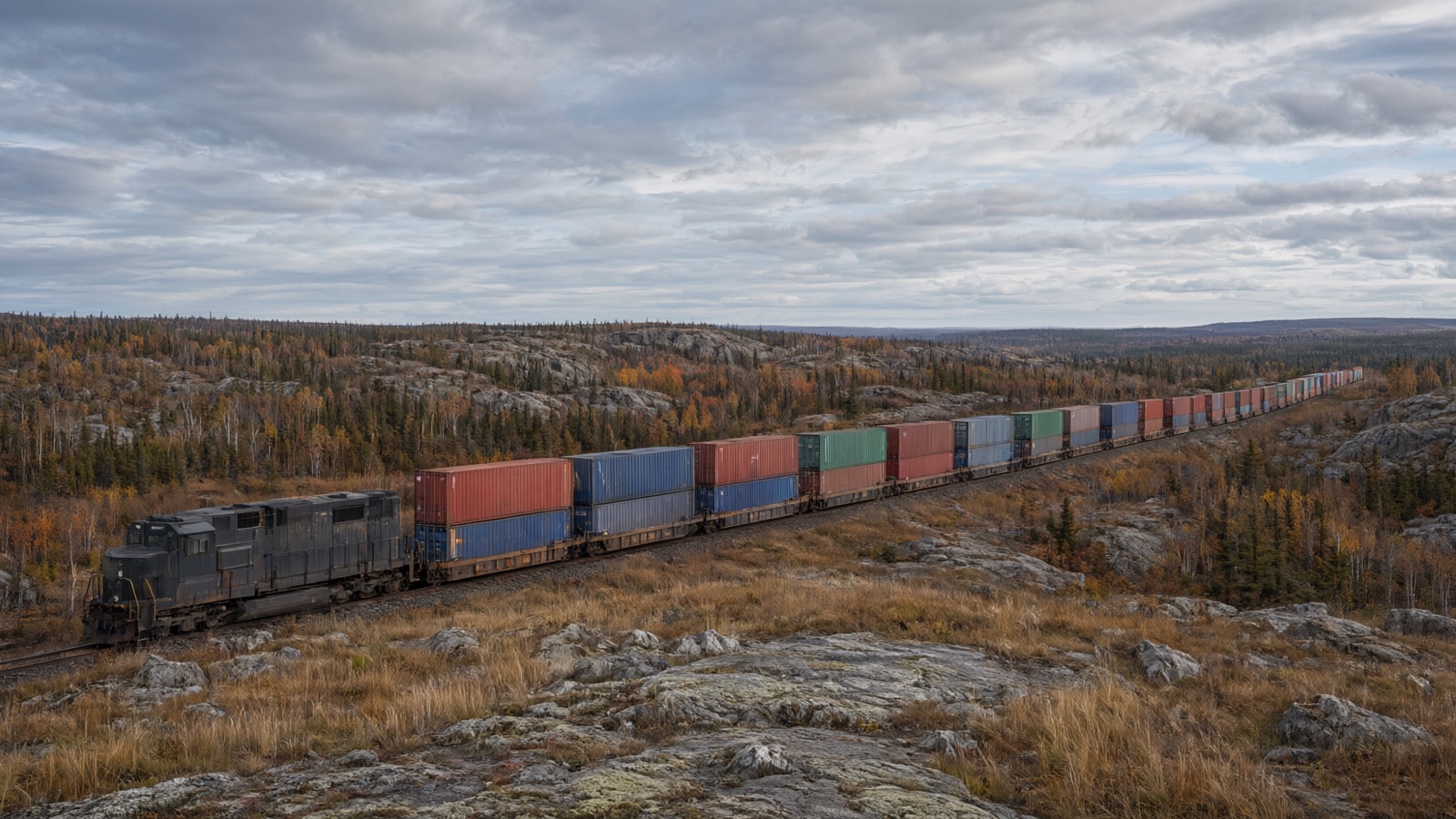
At 7:40 on Monday morning, September 21, a 40-foot container of small-appliance subassemblies backed into door 4 of our new warehouse in Mississauga. It had left Yantian 29 days earlier, come through Prince Rupert and crossed the country on CN rail. It was cleared by our own Canadian brokers before the train got to Ontario.
By 11 it was unloaded, counted, and on a truck to a client's assembly line in Brampton. Nothing about that was remarkable, which was the point. It was the first container Fiskers has ever handled in Canada from start to finish, and we wanted it to be boring.
Why Canada
For years, about a third of our clients have sold into Canada. Most of them did it the hard way: landing freight in Chicago, paying US duty, trucking it north, and then hiring a separate Canadian broker to clear it again at the border. Some of them had us ship to a US port, then had another forwarder ship the Canadian share back out.
That's a lot of handoffs for freight that could have gone straight to Canada. Vancouver and Prince Rupert are closer to South China than Long Beach is, and CN and CPKC run double-stack trains from both ports into the Toronto area every day. For a client with a plant in Ontario, going through Canada is often faster and cheaper. We just didn't have the people there to do it well.
Why it took us until 2026
We don't open offices on spec. We opened Shenzhen because our first client needed people there, and Long Beach because we were already moving 5,000 containers a year through it. Canada was the same, except for two things we needed first.
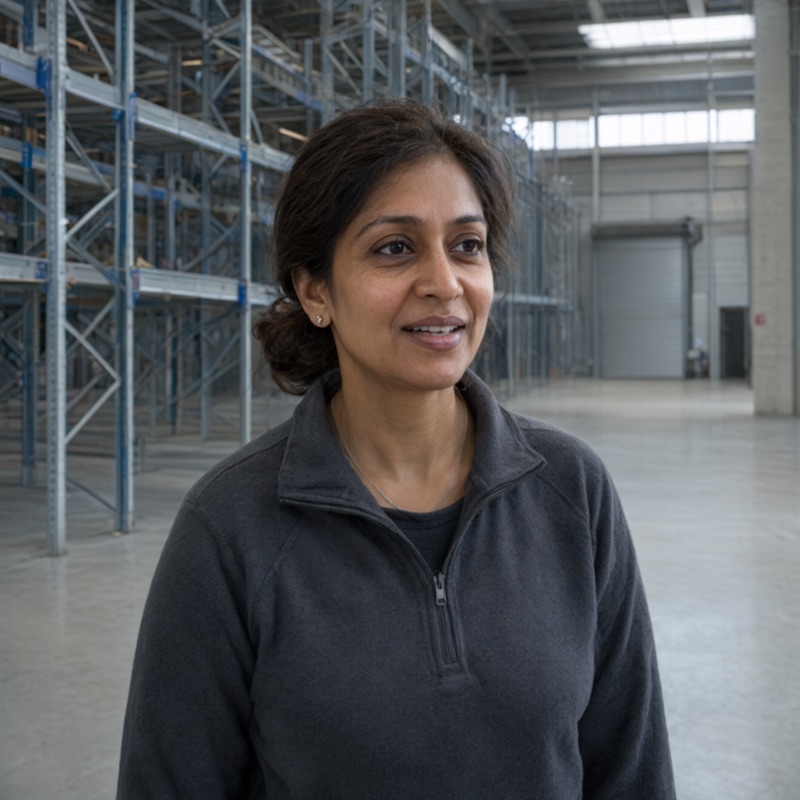
The right person to run it. I joined Fiskers in February after fifteen years in Canadian customs brokerage and cross-border trucking, most recently running a brokerage branch at Pearson. Erik and I had talked on and off for two years before either of us was ready.
Our own Canadian customs brokerage. We could have partnered with an existing Canadian broker. But brokerage is the reason clients trust us in the US, and we weren't going to open in Canada without it. Getting licensed and set up on CBSA's CARM system took most of the spring and summer.
What's in Mississauga
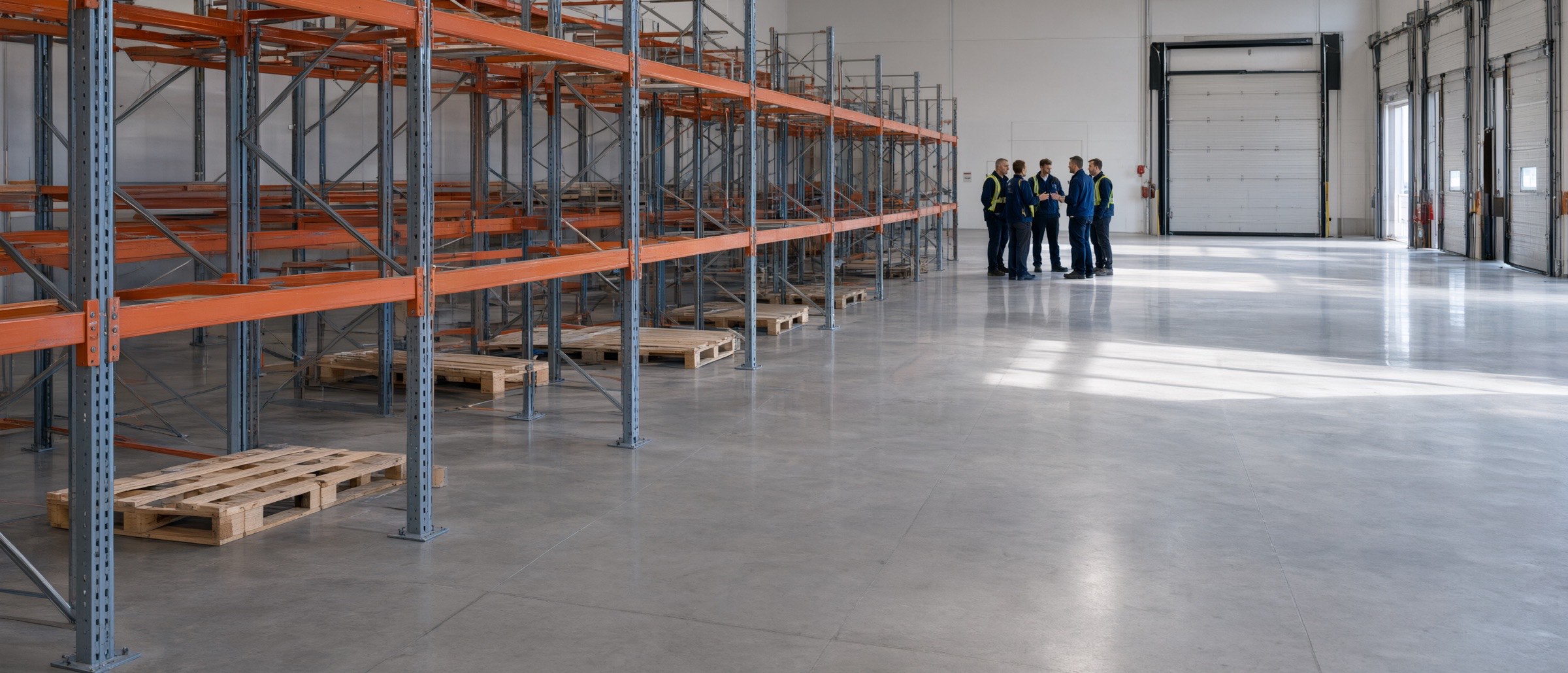
The building is on Millcreek Drive, about ten minutes from Pearson and 25 from the CN Brampton intermodal terminal. Here's what's in it:
- A 58,000 sq ft warehouse with 36-foot clear height, ten dock doors and room for about 6,200 pallets. It's licensed by CBSA as a sufferance and bonded warehouse, so goods can be held before duty is paid.
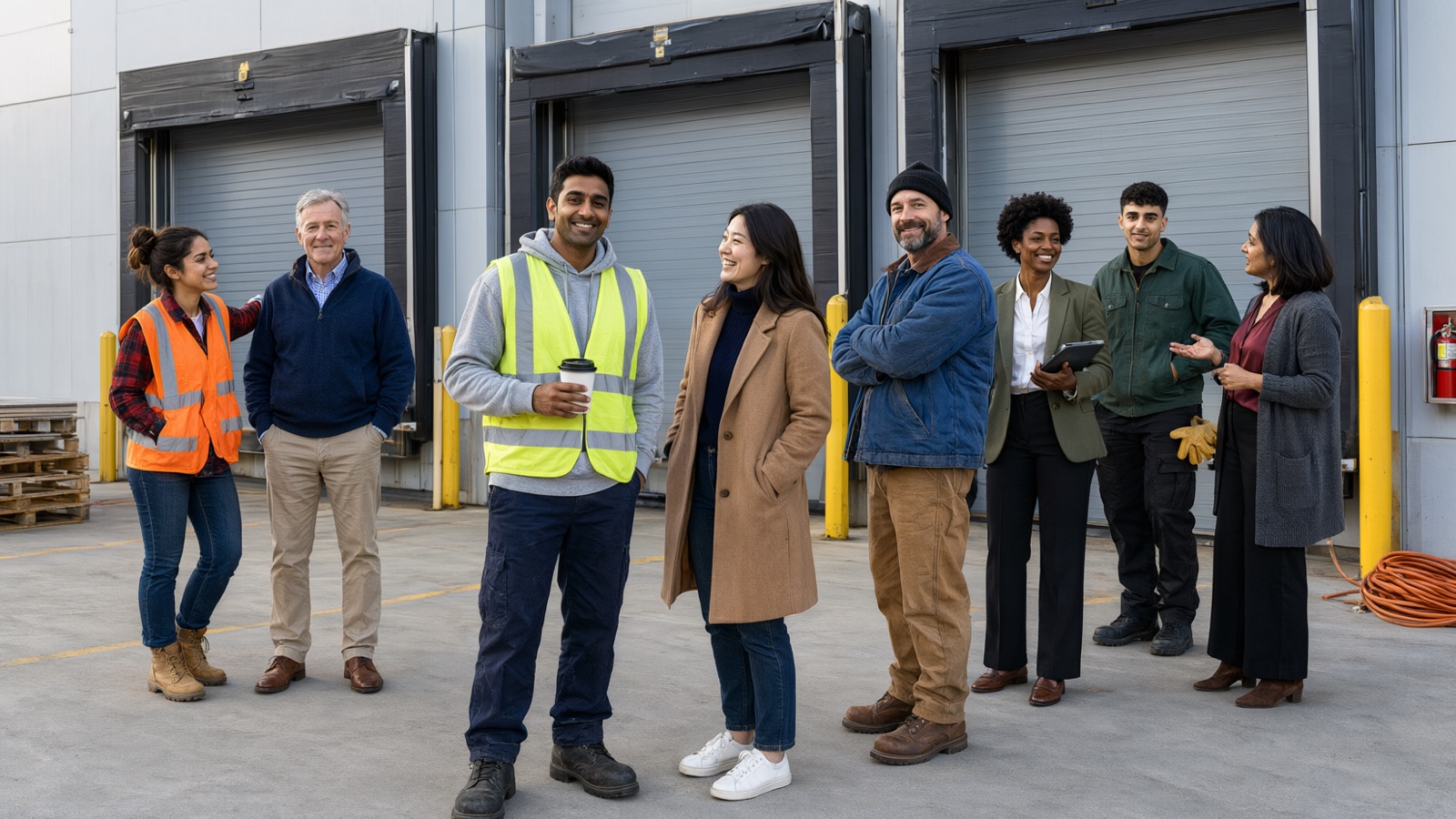
- A customs team of five, all licensed or working toward it, filing Canadian entries through CARM.
- A cross-border desk of three who book trucks between our Chicago and Toronto buildings and handle PARS, PAPS and in-bond moves on both sides.
- A warehouse team of six, led by someone who has run bonded warehouses in the GTA for twenty years.
What changes for clients
If you already ship with us and sell into Canada, here's what's now possible:
- Ship straight to Canada. China to Toronto via Vancouver or Prince Rupert and rail, typically 27 to 33 days door to door. No US entry, no US duty on goods that are staying in Canada.
- One broker for both countries. The same team files your US and Canadian entries, from the same product library. If a part is classified one way in the US, we'll know why when we classify it for Canada.
- Split at origin. We can split a production run in Shenzhen into a US container and a Canadian container, each with its own paperwork, instead of shipping it all to Chicago and splitting it there.
- Cross-border without the drama. Daily truckload between Chicago and Mississauga, with the border paperwork done by our own people on both sides.
What's next
For the rest of 2026, the job is to do what we've opened well: move our existing clients' Canadian freight, learn where the new process breaks, and fix it. We're hiring three more people in Mississauga this fall, including a customs specialist and an enterprise account manager.
People have already asked about Montreal and Vancouver. We're not promising anything. But if enough of our clients end up needing us there, you know how we tend to make these decisions.
Thanks to everyone who helped get this building open, especially the team in Chicago who covered for us all summer, and to the clients who trusted us with the first containers.